The demographic signals that predict where the UK property market is heading next
Published 9 June 2026 · 7 min read

Property values are a lagging indicator. The gentrification of a neighbourhood typically becomes visible in land registry data 18–24 months after the underlying demographic shift has already happened. Young graduates start renting in an area. New coffee shops open. Broadband quality improves. Private rent rises. By the time property prices move, savvy buyers and investors have already moved on. The market rewards those who can see the demographic trajectory before it's reflected in transaction prices.
What a transitioning neighbourhood looks like before the price move
Cogstrata's LSOA-level data (33,755 areas in England alone) allows analysts to track the composition of each neighbourhood ahead of a price move:
- The proportion of young private renters
- The share of degree-level residents
- The gradient of IMD deprivation scores
- The density of new-build EPC registrations
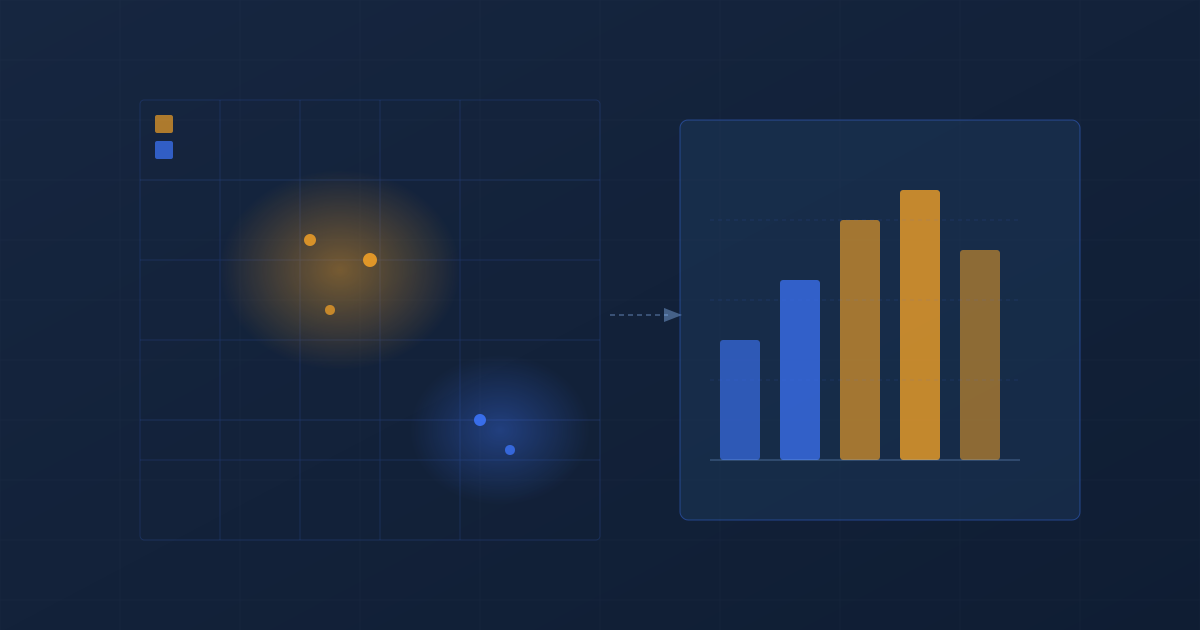
LSOAs sitting on the border between Cogstrata's "Struggling Estates" and "City Professionals" classifications — areas showing incipient signs of both group types — are among the strongest candidates for near-term price appreciation. This transition signal is quantifiable, repeatable, and available at a scale that traditional property analytics simply cannot match.
Why LSOA-level resolution beats postcode-level analytics
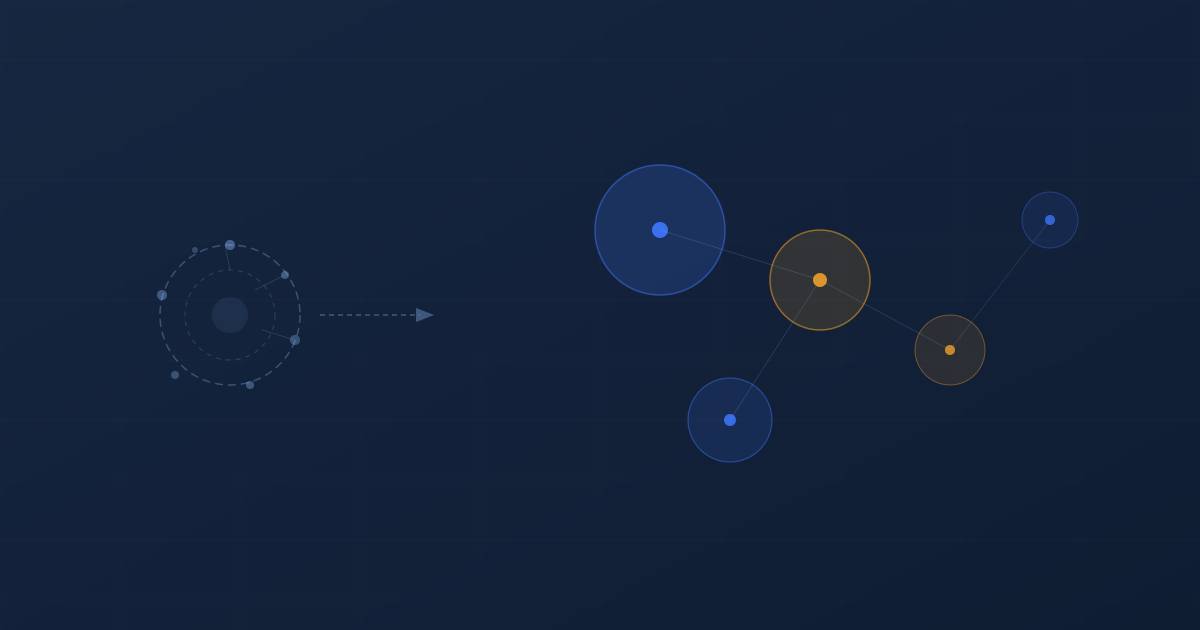
Traditional property analytics tools work at postcode level. Cogstrata's data also operates at LSOA level — areas of around 1,500 residents — giving significantly finer resolution. In a city like Manchester or Bristol, a single postcode might span multiple distinct demographic communities. This resolution difference can be the margin between identifying the right street and the wrong one. When you're making a £500k investment decision, sub-postcode precision is not a luxury — it's a requirement.
Which LSOAs in your target market are showing transition signals?
Enrich your property portfolio or target postcodes with Cogstrata's full LSOA-level profile — deprivation, tenure, broadband, new-build rates, and 5,000+ more attributes.
Who's already using demographic transition signals
- Residential investors and funds — build acquisition pipelines based on where demographic indicators are shifting fastest.
- Estate agencies — differentiate their advice, since a postcode's demographic transition is a genuine, verifiable value-add for clients.
- Mortgage lenders — calibrate LTV decisions against the trajectory of an area, not just its current value.
- Planning consultants — model population growth pressures and housing need at a granular level.
- PropTech platforms — power neighbourhood recommendations and price estimation models that reflect where the market is heading, not just where it is.
Forward-looking signals vs. historical transaction data
Land registry prices are historical by definition. But Cogstrata's signals are forward-looking. EPC registrations track new-build activity. DWP claimant counts signal economic stress or stability. Broadband upgrade registrations indicate infrastructure investment and private sector confidence. These data points update in near real-time, offering a lens on neighbourhood change that traditional property data cannot provide. When you combine these live signals with structural demographic classifications, you have a genuinely predictive system — one that identifies opportunity before it's priced in.
The property market in 2026 rewards those who can see further and faster than the crowd. Demographic intelligence does exactly that. It transforms neighbourhood analysis from intuition and hindsight into a systematic, data-driven discipline. For investors, developers, lenders, and agencies, that shift is the difference between staying ahead of the market and playing catch-up.
See demographic transition signals in your target market
Send us a list of target postcodes or LSOAs and we'll return them enriched with Cogstrata's full neighbourhood profile — classification group, housing tenure, deprivation, and real-time change signals. No contract required.
Request a Free Sample